Northern Canada Owls – In Review
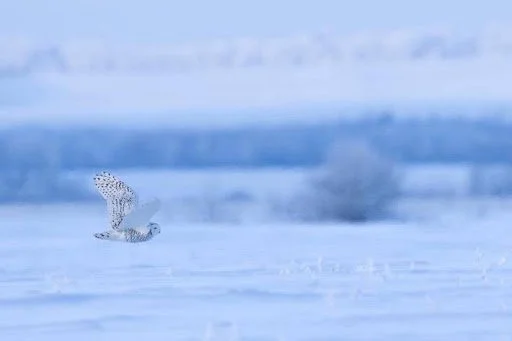
Our January 2026 tour began with an early morning pickup from Edmonton International Airport on Day 1. Not long after leaving the airport, we found our first of two beautiful snowy owls perfectly blending in to their wintery surroundings in Alberta’s prairie-parkland region. Recent fog contributed to heavy amounts of hoarfrost throughout the landscape and we took multiple opportunities to stop and photograph the frosty trees and open fields while on the lookout for owls. From there, we beelined it to Elk Island National Park – one of Canada’s small parks. Though small, it has a dense and varied wildlife population and wildlife sightings are nearly guaranteed in a short amount of time in park. Though the plain’s bison were shy during our visit, we were happy to spot a few porcupine and a friendly ruffed grouse along the parkway. Owl sightings were limited in the area around the park this year so we quickly pressed northward hoping to see our number one target for the trip – a great grey owl. After driving the backroads around Edmonton’s most well-known site for these coveted owls we finally spotted a great grey and captured our first of many photos of this species on the trip. We then returned to St. Albert for the night where we would be based for the duration of the trip.
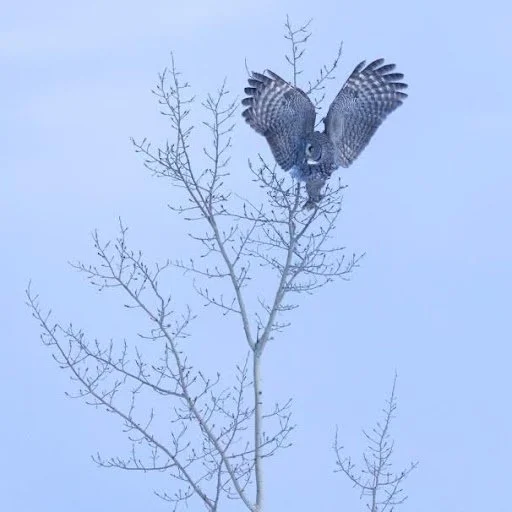
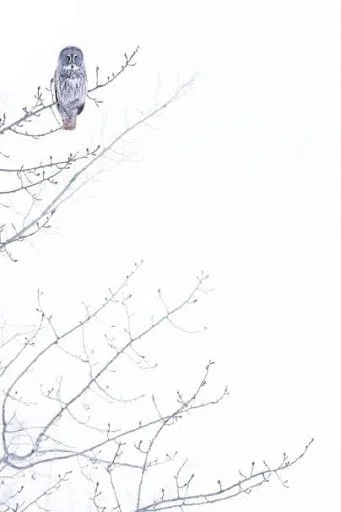
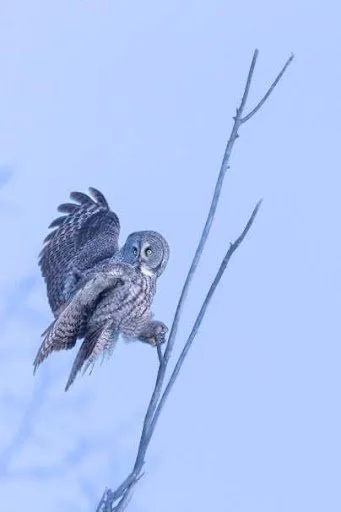
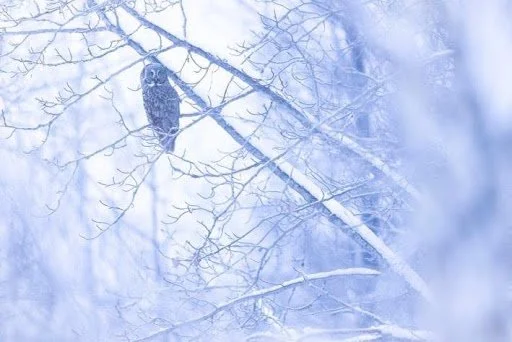
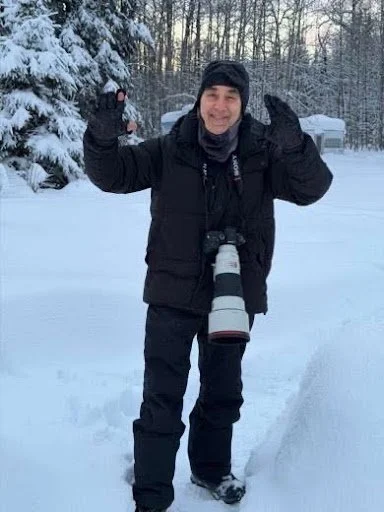
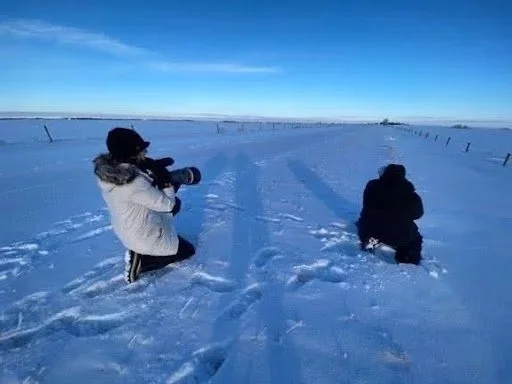
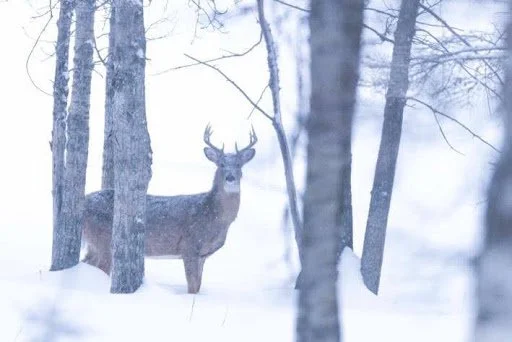
The next four days were spent extensively touring the roads to the North, East, and West of St. Albert searching for owls and any other wildlife we could find. Great grey owls are an irruptive species and abundance can vary wildly from year-to-year. The cyclical nature of this species is primarily driven by fluctuations in vole populations, their preferred prey species. In 2026, great grey owl numbers were quite low across most of North America including areas typically considered strongholds like Alberta and northern Minnesota. It took an enormous effort to find reliable locations for this species, but patience and effort paid off and, over the course of the week, we had 12 encounters of approximately 8 different individuals! Like always, the behaviour of individual owls varied substantially from timid to bold and confiding. In cases when an owl clearly didn’t want to associate with us, we moved on and left them alone to avoid stressing the owl. However, in many instances, we were able to work on diversifying our portfolio with opportunities to capture a variety of small in frame, in flight, and tighter portrait photos.
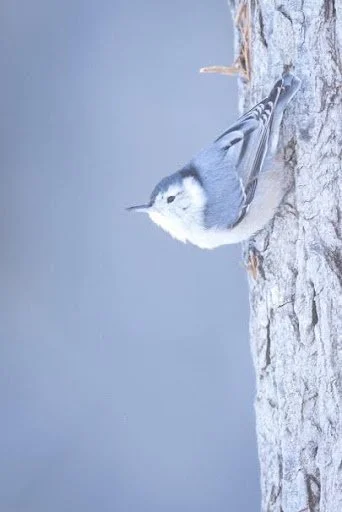
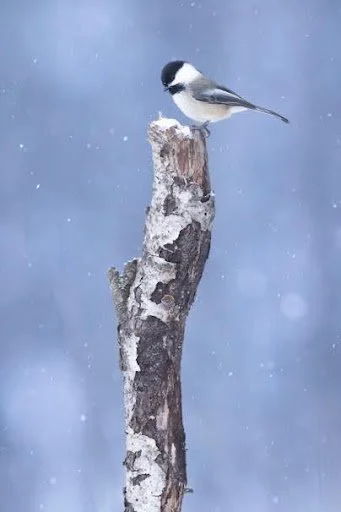
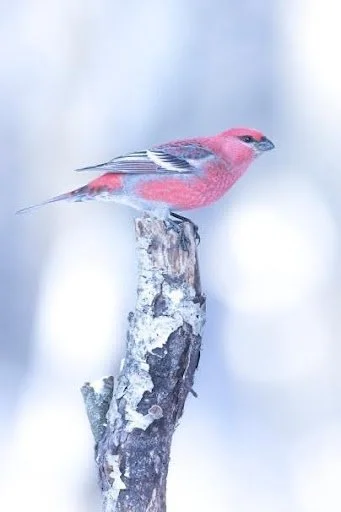
On several days, we spent the time between our dawn and dusk “owl drives” at a bustling nearby feeder where a suite of boreal birds is always present. While set up in a blind near the feeders, we observed common redpoll, pine grosbeak, pine siskin, black-capped chickadee, brown creeper, blue and Canada jay, red and white-breasted nuthatch, downy and hairy woodpecker with white-winged crossbills frequently calling overhead. Other species missed this year but often present include boreal chickadee and ruffed grouse.
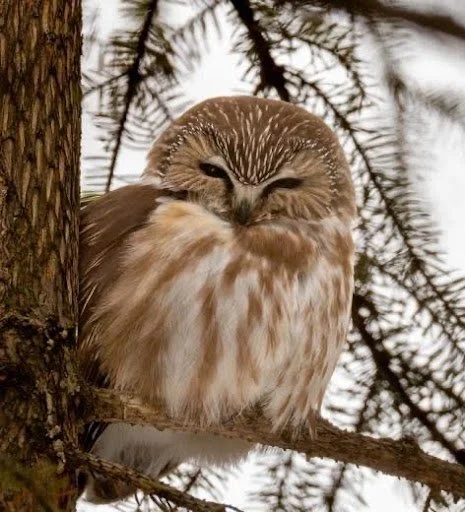
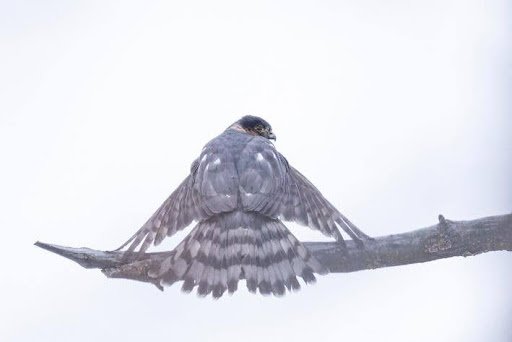
We also enjoyed two morning walks in an urban park searching for roosting saw-whet owls and any other species in the park. On walk #2, we managed to track down our main target – a sleeping saw-whet owl! Other bonuses included a sharp-shinned hawk drying off after a bath, a cooperative northern shrike, numerous red squirrels, and flocks of Bohemian waxwings calling overhead!
Considering our success with owls to this point in the tour, on our second last day the group decided to take a risk and drive far West to look for lynx and other, harder to find forest species. You never know what you might encounter when driving winding, forested roads after a fresh snowfall! After several hours of searching, we were ultimately unsuccessful finding this “bonus” species for the trip but were hot on the trail of a family of lynx with fresh tracks all over the road. This elusive species is never easy to find but taking calculated risks in the wild places always has potential!
We ended the tour with a great grey day where we found 4 more owls and were rewarded with some of our best photos of the trip!
I can’t wait until next year and hope to see you there! We will make sure you are well-prepared for your trip with Zoom calls and follow-up emails. I would love for you to join me again in January 2027. We will also be offering an exciting extension to spend a few extra days in the world-famous Jasper National Park!