10 Questions to Consider Before Booking a Wildlife Photography Tour
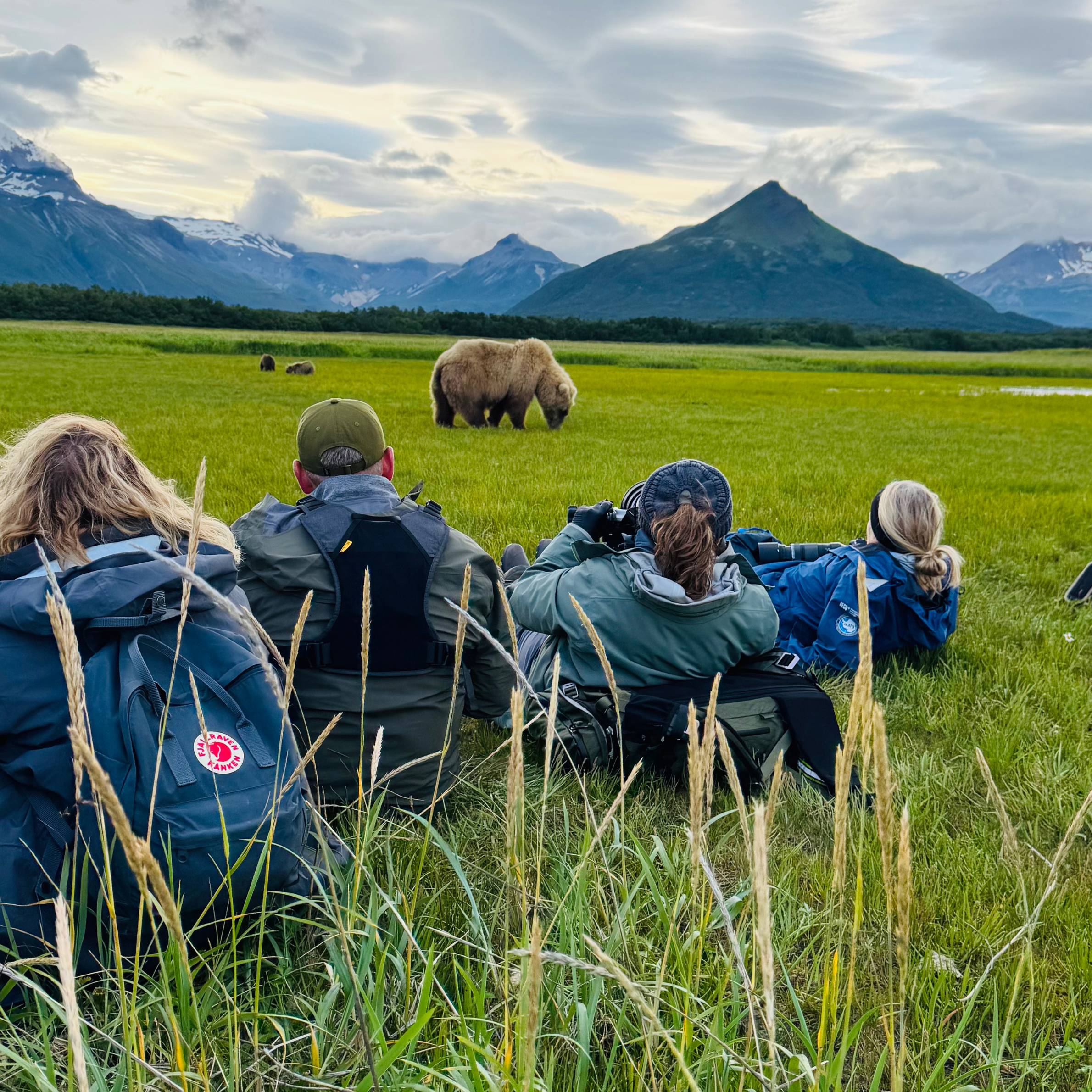
A wildlife photography tour is often much more than a vacation. It's an investment in your photography, your experiences, and the memories you'll carry with you for years to come.
With so many incredible tour companies operating around the world, choosing the right one can feel overwhelming. Beautiful images and exciting itineraries are easy to find, but they only tell part of the story.
The questions below aren't designed to help you find the "perfect" company. Instead, they're intended to help you understand how a company operates, what it values, and whether those values align with your own.
At Focus Photo Tours, we believe informed photographers make better decisions. When travellers ask thoughtful questions, it encourages greater transparency, stronger conservation practices, and continual improvement across our industry. That's something we can all benefit from.
1. How are wildlife encounters found and achieved?
Every memorable wildlife encounter begins long before the camera comes out.
Some companies rely on years of local knowledge, experienced guides, careful observation, and patience to find wildlife naturally. Others may use techniques such as baiting, feeding, call playback, or other attractants to increase photographic opportunities.
There's no substitute for understanding how your encounters will happen. Ask the question, listen to the explanation, and decide whether that approach aligns with your own values and expectations.
2. Does the company hold the permits, licences, and commercial authorizations required to operate?
Many wildlife photography tours take place in national parks, protected areas, Indigenous territories, or other public lands where commercial operators must meet specific requirements.
Permits and authorizations help protect these special places by ensuring companies operate legally and responsibly. They also demonstrate respect for land managers, local regulations, and the destinations you're visiting.
A reputable company should be happy to explain the permits they hold and why they matter.
3. What is the company's approach to baiting, feeding, call playback, or other wildlife attractants?
Wildlife photography often involves complex ethical discussions, and practices such as baiting or call playback are among the most debated.
Rather than making assumptions, ask how the company approaches these situations. Are these methods ever used? Under what circumstances? Are guests informed before booking?
Transparency allows photographers to make informed decisions that reflect their own personal ethics.
4. Who are your guides, and what experience do they bring?
Great guides do much more than find wildlife.
They understand animal behaviour, changing weather, local ecosystems, guest safety, photography, teaching, and how to adapt when conditions change.
Ask who will actually be leading your tour. Are experienced local guides involved? How well do they know the destination? What happens if conditions don't go as planned?
The people leading your adventure often have the greatest impact on your overall experience.
5. How do you know when it's time to end a wildlife encounter?
Perhaps the most important photograph is sometimes the one you choose not to take.
Ask how guides recognize signs of stress or disturbance in wildlife. What behaviours tell them an animal needs more space? When would they choose to leave, even if guests are still hoping for another image?
Responsible wildlife photography isn't just about getting close—it's about knowing when to step back.
6. What ethical standards guide your decisions when regulations don't exist?
Wildlife doesn't always follow rules, and not every situation is covered by legislation.
Many ethical decisions happen in the grey areas where there are no signs, no minimum distances, and no written policies.
Ask what principles guide the company's decisions in these situations. Do they simply follow the law, or do they apply higher standards based on animal behaviour, habitat conditions, breeding seasons, or cumulative human pressure?
Sometimes doing what's right means doing more than what's required.
7. Does your approach rely on patience and observation, or pursuing wildlife for photographs?
One of the greatest lessons wildlife teaches us is patience.
Experienced guides often know when to wait, when to move, and when to simply allow nature to unfold.
Ask how the company balances creating photographic opportunities with respecting wildlife. A thoughtful answer will often reveal as much about their philosophy as their itinerary.
8. How does your tour support local communities?
Wildlife photography should benefit more than the visitors.
Many outstanding tour companies partner with local guides, family-owned accommodations, community businesses, Indigenous knowledge holders, and regional conservation organizations.
Supporting local communities not only strengthens local economies but also helps create lasting incentives to protect wildlife and natural habitats.
9. How does your company support conservation and reduce its environmental impact?
Conservation isn't always measured by a donation.
It can also be reflected in the choices a company makes every day—supporting conservation organizations, reducing waste, working with responsible local partners, limiting group sizes, educating guests, and operating in ways that minimize environmental impact.
Ask how conservation is integrated into the business, not just mentioned in its marketing.
10. What does ethical wildlife photography mean to your company?
Every company uses the word "ethical."
The important question is what that word actually means in practice.
How are guests educated before the tour? How are ethical decisions made in the field? What happens if someone behaves in a way that disturbs wildlife? How are guides expected to model those values?
The answer to this question often brings together everything you've learned from the previous nine.
Choosing the Right Tour
There isn't one perfect wildlife photography company, and there isn't one perfect way to experience wildlife.
Every photographer has different goals, interests, budgets, and values.
Our hope isn't that these questions lead you to one particular company. Our hope is that they encourage thoughtful conversations, informed decisions, and greater transparency throughout our industry.
The more photographers ask meaningful questions, the more we all benefit—from photographers and guides to local communities and, ultimately, the wildlife and wild places we are privileged to visit.
We'd Love to Hear From You
Is there a question you always ask before booking a wildlife photography tour?
Or is there one you wish you had asked?
Share your thoughts with us in the comments or join the conversation on our social media channels. Together, we can continue raising the standard for responsible and ethical wildlife photography tourism.